Mele Hawaiʻi: Guiding Responsible Storytelling in Hawaiʻi
A free virtual panel discussion exploring how mele Hawaiʻi can guide more thoughtful storytelling in education, media, and the visitor industry.
Recorded May 27, 2026
Why This Conversation Matters
How Hawaiʻi is represented matters.
Narratives shared through media, education, and visitor experiences shape public understanding of place, people, and culture. This discussion explores how mele Hawaiʻi offers guidance for more accurate, respectful, and grounded storytelling.
Bringing together respected haku mele and cultural leaders, this one-hour discussion examines mele not only as an enduring cultural practice, but as a framework for responsibility, relationship, communication, and representation across contemporary Hawaiʻi.
Panel Discussion Topics
Cultural authority and who tells stories
Boundaries of knowledge and context
Mele as historical memory and ʻike Hawaiʻi
Responsible storytelling in modern spaces
How organizations can engage more thoughtfully
Designed For
Educators
Students
Cultural practitioners
Media professionals
Visitor industry professionals
Anyone seeking deeper understanding of Hawaiʻi
Speakers
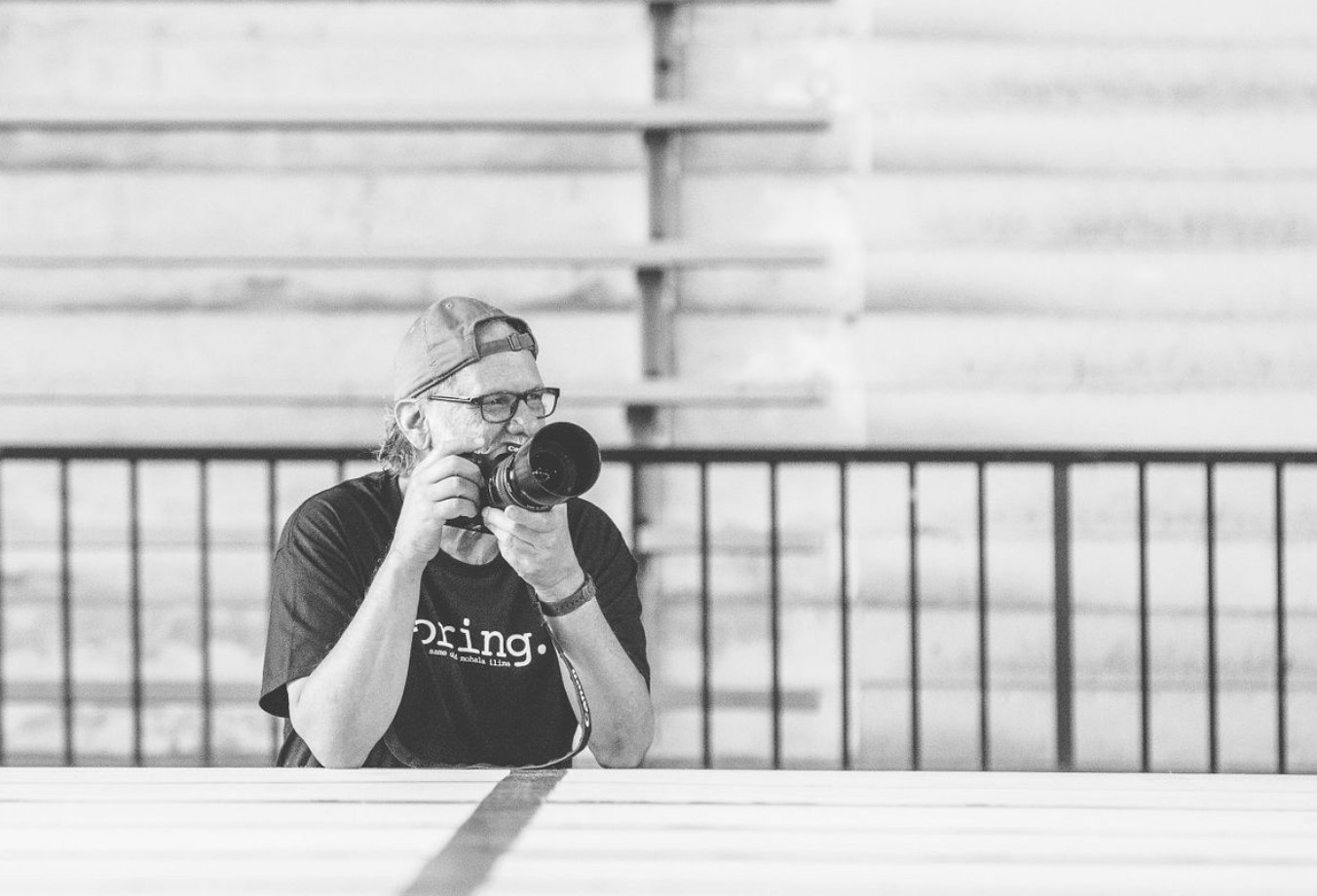
Kīhei de Silva, panelist
Kīhei Clark de Silva is a scholar, composer, educator, and longtime steward of Hawaiian mele whose work has helped deepen understanding of Hawaiʻi’s literary and musical traditions. A graduate of Pomona College and University of Hawaiʻi at Mānoa, he taught English before helping lead Hālau Mōhala ʻIlima, the hula school he and his wife Māpuana founded in 1976. He is the author of He Aloha Moku o Keawe, co-author of Lena Machado, Songbird of Hawaiʻi, and writer of numerous mele-related articles and essays, while also receiving two Nā Hōkū Hanohano Awards for Hawaiian language songwriting. Known for his lifelong commitment to mele, education, and cultural stewardship, Kīhei continues to serve Hawaiʻi through leadership, scholarship, and community service
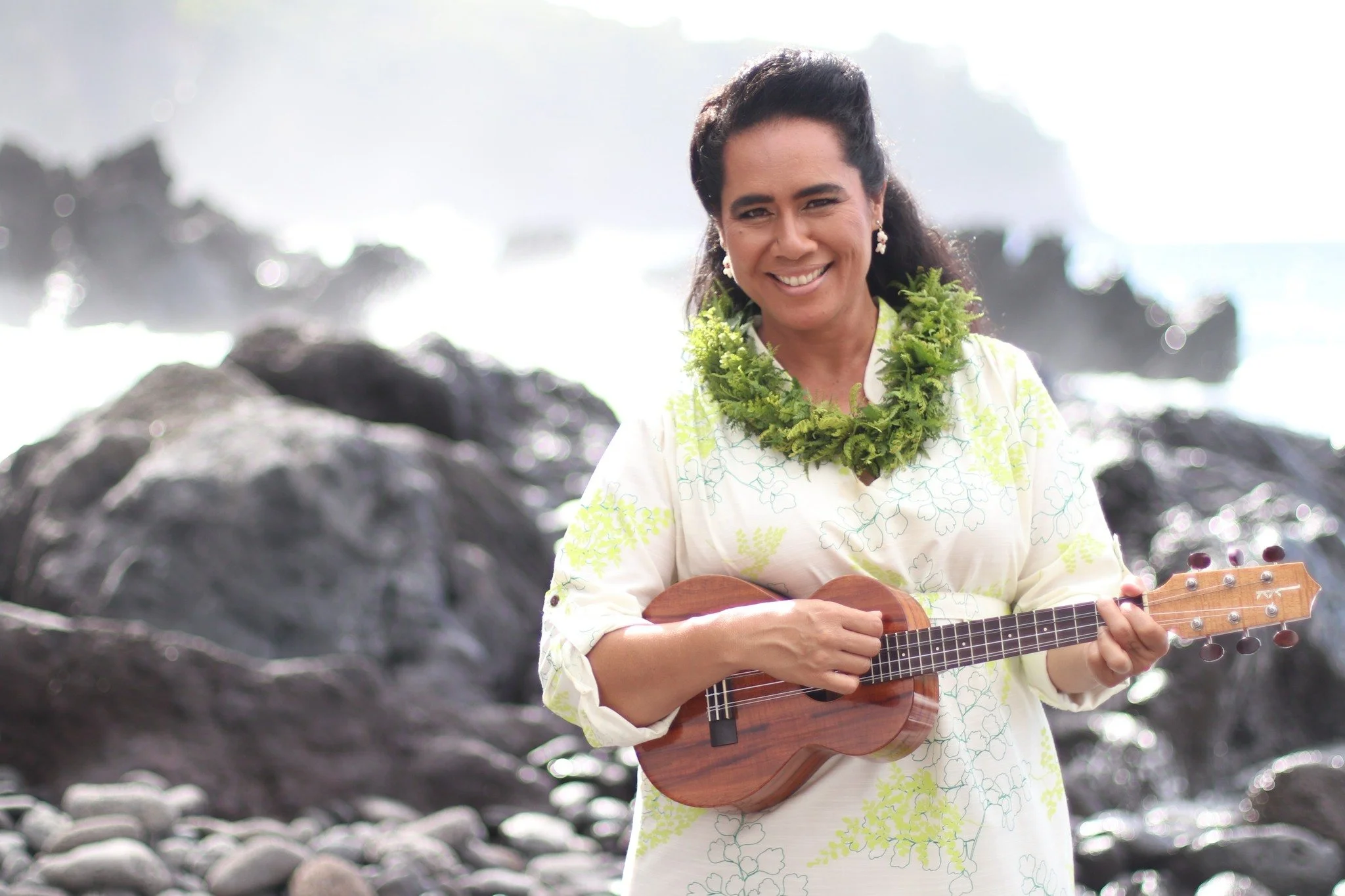
Kainani Kahaunaele, panelist
Kainani Kainani Kahaunaele is a mele enthusiast, singer, songwriter, teacher, and musician born and raised in Anahola, Kauaʻi, who has lived in Hilo, Hawaiʻi for 30 years as an advocate for Hawaiian language revitalization and the perpetuation of Hawaiian music through education and performance. While earning her B.A. in Hawaiian Studies and Master’s degree in Hawaiian Literature at University of Hawaiʻi at Hilo, she began singing professionally and composing traditional songs (haku mele) as Hawaiian language curriculum for ʻAha Pūnana Leo. Her acclaimed work earned five Nā Hōkū Hanohano Awards, including Haku Mele of the Year, Female Vocalist of the Year, and Hawaiian Language Performance. Known for her warm, dynamic vocal abilities, Kainani’s charming voice amplifies the imagery of the songs, enabling delightful encounters with the poetry she delivers.
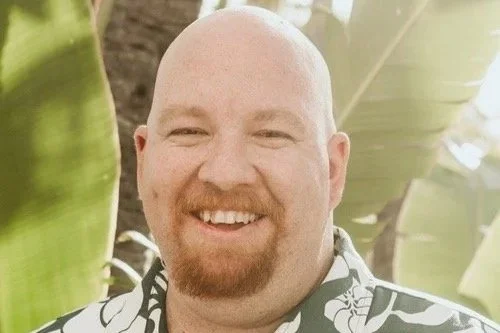
Kalani Kaʻanāʻanā, panelist
Kalani Kaʻanāʻanā is a Native Hawaiian leader and collaborative executive whose work spans cultural stewardship, destination management, sustainability initiatives, and community-centered systems change in Hawaiʻi. He currently serves as Chief Executive Officer of Hawaiʻi Green Growth, a statewide public-private partnership and UN-recognized Local2030 Hub advancing the Aloha+ Challenge and the United Nations Sustainable Development Goals.
With more than 15 years of experience working across the intersections of culture, marketing, communications, sustainability, and public engagement, Kalani is widely recognized for helping shape conversations around how Hawaiʻi is represented and understood locally and globally.
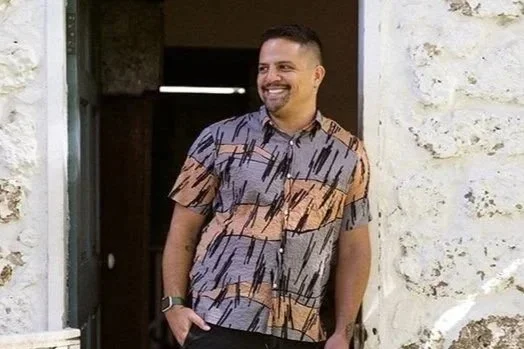
Haʻalilio Solomon, moderator
Haʻalilio Solomon is from Honolulu, Oʻahu, and serves as an assistant professor at University of Hawaiʻi at Mānoa in the Hālau ʻŌlelo Hawaiʻi ʻo Kawaihuelani Center for Hawaiian Language. In May 2024, he completed his doctoral degree in linguistics with a focus on language ideologies and attitudes surrounding ʻŌlelo Hawaiʻi within the context of Hawaiian language revitalization, reclamation, and maintenance. He is also an avid translator of ʻŌlelo Hawaiʻi under Awaiaulu and the owner of Hoʻopulapula, LLC, specializing in Hawaiian language translation, tutoring services, and resource development. As a polyglot, his multilingualism shapes his teaching, scholarship, and ongoing work documenting the languages spoken in Polynesia.
This program is made possible through support from Hawaiʻi Tourism Authority through its Kūkulu Ola Program, which invests in the perpetuation, preservation, and celebration of Hawaiian culture and community-based initiatives across Hawaiʻi.